Springer Mountain is one of the most well-known hiking destinations in Georgia because it serves as the southern terminus of the Appalachian Trail. Located in the Blue Ridge Mountains in northern Georgia, within the Chattahoochee-Oconee National Forest, it sits at an elevation of about 3,780 feet. For thru-hikers on the Appalachian Trail, Springer Mountain is where the 2,190-mile journey to Mount Katahdin in Maine begins (or ends, depending on direction). A simple brass plaque embedded in a rock marks the official starting point of the trail.

The hike to the summit is relatively moderate compared to much of the Appalachian Trail, but it still feels remote and wooded, with dense hardwood forest, rhododendron tunnels, and occasional ridge views. Most hikers access it via the approach trail from Amicalola Falls State Park or from shorter forest service roads near the summit.
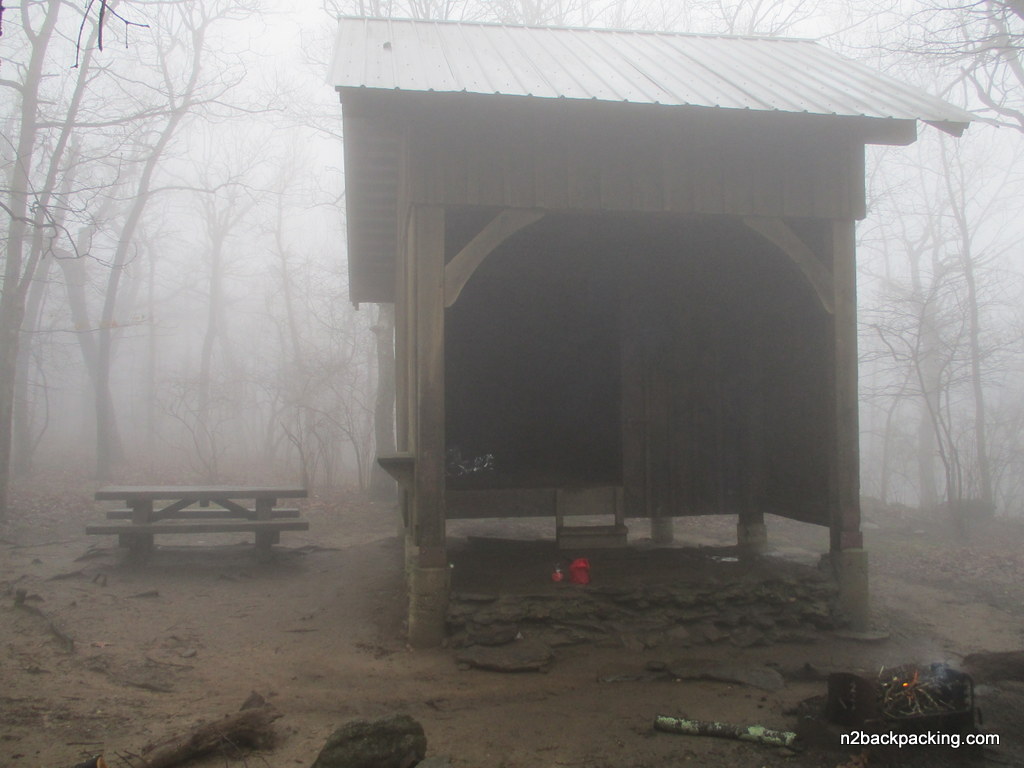
Just below the summit is the Springer Mountain Shelter – a three-sided wooden structure that typically holds around 10–12 people on a first-come basis. Built in classic Appalachian Trail style, it is a popular overnight stop for hikers starting early in the season, especially in March and April when northbound thru-hikers begin their long trek. Around it are a few established tent pads where hikers can pitch tents when the shelter is full or if they prefer the privacy of a tent. The setup is very basic: no reservations, no fees, and minimal infrastructure beyond what’s needed for backcountry use.
Despite being one of the most iconic points on the entire Appalachian Trail, Springer feels surprisingly quiet and wooded compared to more dramatic mountain summits to the north. The mountain is less about sweeping vistas and more about the sense of beginning—standing at a modest but meaningful landmark that connects Georgia all the way to Maine.
At Springer Mountain, camping is centered around a small but very well-known backcountry site tied to the start of the Appalachian Trail. You don’t get a developed campground here—what you’ll find instead is a rustic Appalachian Trail shelter area plus a handful of nearby primitive campsites. Here how the campsite looked during the daytime in April 2004:

Springer Mountain Campsite Area – April 2004
And here’s how it looked that same evening as we joined a family around the communal campfire in a recently cleared field. Camping here is popular because it’s the traditional “Day 0” or first night stop for northbound Appalachian Trail thru-hikers. That also means it can be very busy during peak hiking season, especially early spring when the AT “bubble” begins the journey north. At other times, it has a more remote feel—with the campsite surrounded by dense forest, ridge-top air, and the quiet of North Georgia wilderness.

Water is available from a nearby spring, but it can be seasonal and sometimes very slow flow and hikers should treat or filter the water here. A bear box is provided for food storage, which is a big help since this is a heavily used area with frequent wildlife encounters (especially mice around the shelter). In April 2007, we arrived to find a caretaker on the summit during the busy hiking season.

Springer Mountain Campsite Area – March 2007
At Springer Mountain there isn’t a permanent “campground staff”, but the area is supported by a mix of seasonal caretakers and volunteer trail stewards who help manage the southern terminus of the Appalachian Trail. The most visible caretakers in the immediate area are typically Appalachian Trail ridgerunners or caretakers (seasonal staff hired or coordinated through the Appalachian Trail Conservancy and partner organizations). During peak hiking season—especially March through May when northbound thru-hikers begin—these caretakers rotate through nearby shelters and trailheads, including the Approach Trail and Springer Mountain area. They were long gone when we came back to this area in September 2013 and by then the area had grown up significantly during the summer months.

Springer Mountain Campsite Area – September 2013
The wilderness and summit itself is managed by the U.S. Forest Service (Chattahoochee–Oconee National Forests), so long-term maintenance, trail reroutes, and regulations are handled at that level, often in coordination with the Appalachian Trail Conservancy and local volunteer trail clubs. But you can expect the ridgerunners and/or caretakers to return each spring when thru-hiker season begins once again. Here’s a photo of the camping area around the shelter in April 2023.

Springer Mountain Campsite Area – April 2023
While camping is permitted at the shelter and in the flat areas around it, The Appalachian Trail Conservancy discourages camping right at the summit to protect vegetation and the symbolic terminus of the trail. This area is treated as a protected and high-use landmark, not a dispersed camping zone. The summit is meant to stay open and accessible for hikers arriving, taking photos, and orienting themselves at the terminus plaque. Tents would physically block space and create congestion in an area that isn’t designed to function as a campsite.

In summary, camping at Springer Mountain is primitive and centered around the nearby Springer Mountain Shelter rather than the summit, with first-come tent pads, a three-sided shelter, and seasonal water serving hikers on the Appalachian Trail. Backpackers should expect heavy use in peak spring season, limited space, and a social camping atmosphere, along with variable water reliability and the need for treatment. Weather can be surprisingly cold and wet, so proper gear is important even at this relatively modest elevation, and food must be secured due to common bear and small critter activity. Access logistics from nearby forest service trailheads or the Approach Trail require planning, but overall it’s a simple, well-marked, and iconic starting point for long-distance hikers heading north.

Speak Your Mind