Anhinga Trail
Everglades National Park
40001 State Road 9336
Homestead, FL 33034-6733
305-242-7700

Everglades National Park is the third-largest national park in the lower 48 states, encompassing roughly 2,500 square miles across the southern tip of Florida. Unlike most national parks defined by mountains or canyons, the Everglades is a vast, slow-moving “river of grass,” shaped by shallow sheet flow that moves water from Lake Okeechobee southward toward Florida Bay. This unique subtropical wetland system is the largest of its kind in the United States and supports an extraordinary range of habitats, including sawgrass marshes, mangrove forests, hardwood hammocks, cypress swamps, coastal estuaries, and open freshwater sloughs. Because of its global ecological significance, the park has been recognized as a UNESCO World Heritage Site, an International Biosphere Reserve, and a Wetland of International Importance under the Ramsar Convention. These designations reflect both its biodiversity and its critical role in supporting rare and endangered species, including the Florida panther, West Indian manatee, American crocodile, wood stork, and numerous wading birds that depend on the Everglades’ seasonal water cycles. Despite its wild character, the park lies surprisingly close to major population centers, with its northeastern entrance near the city of Homestead serving as a primary gateway for visitors exploring this vast wetland ecosystem.
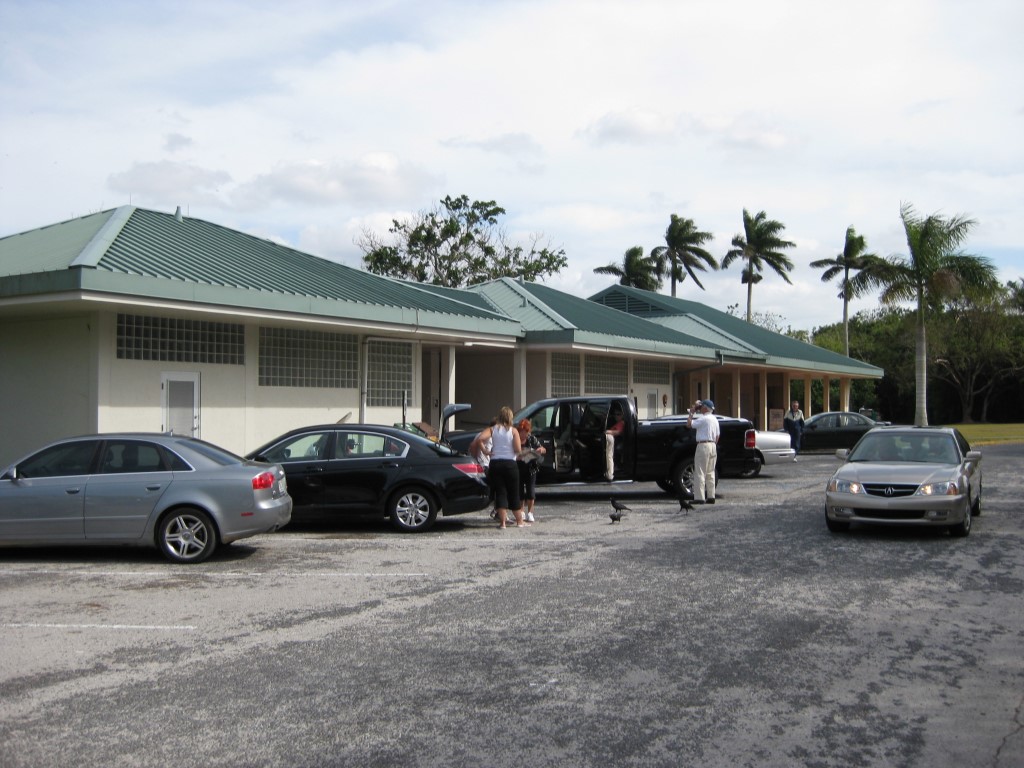
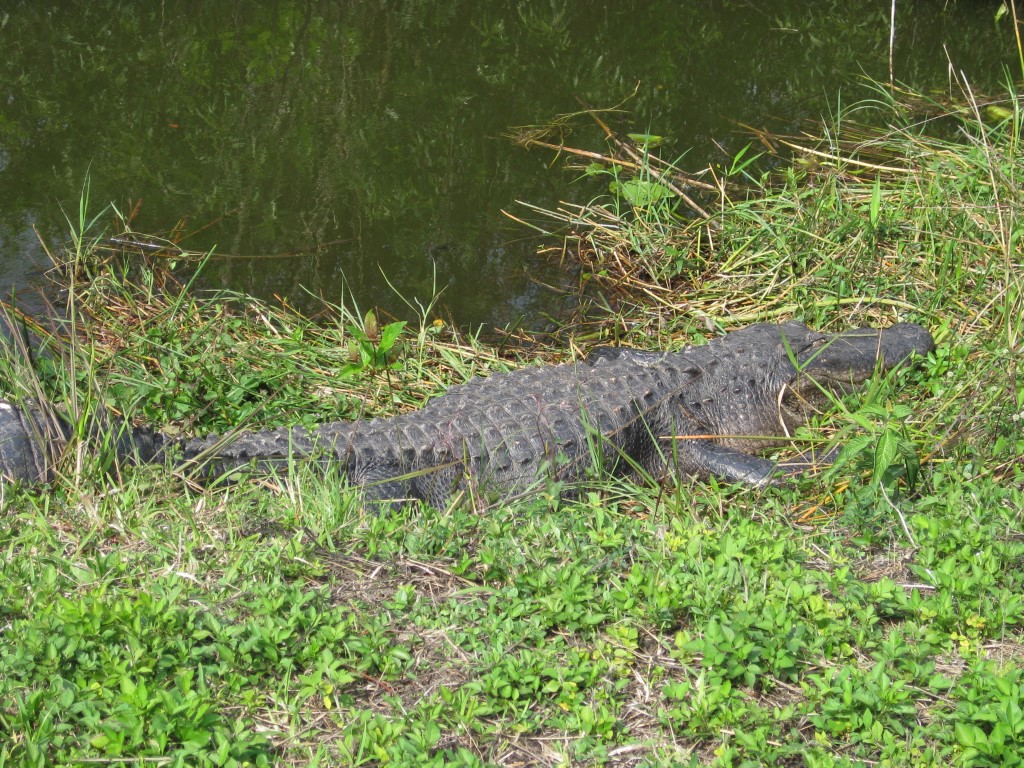
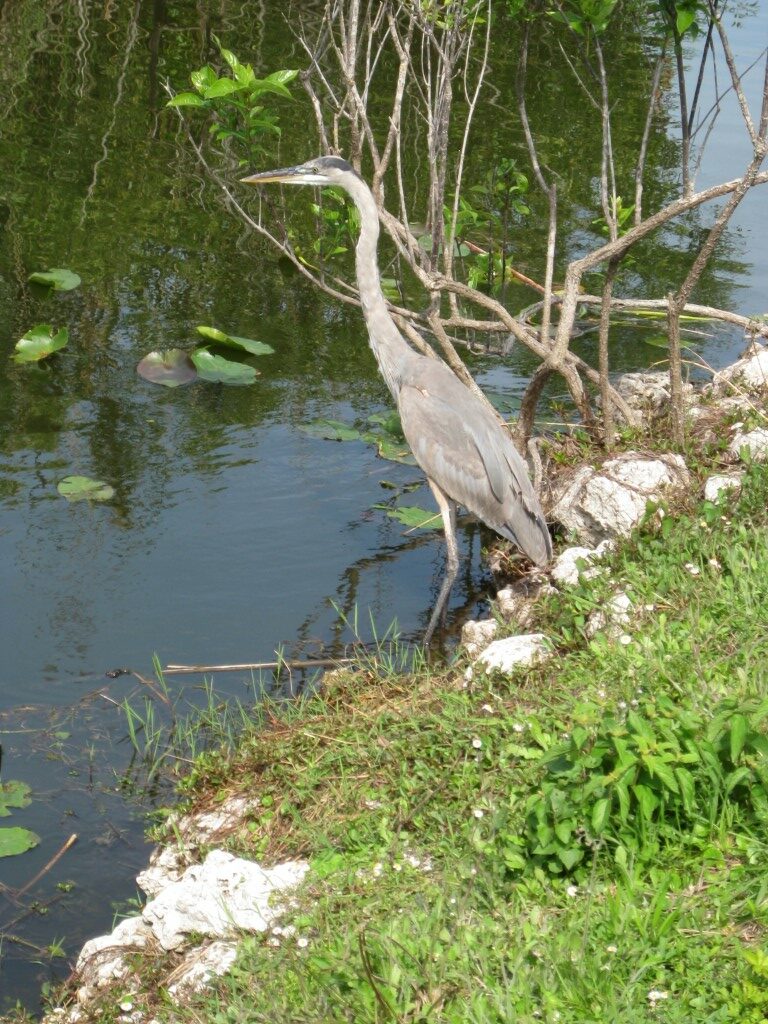
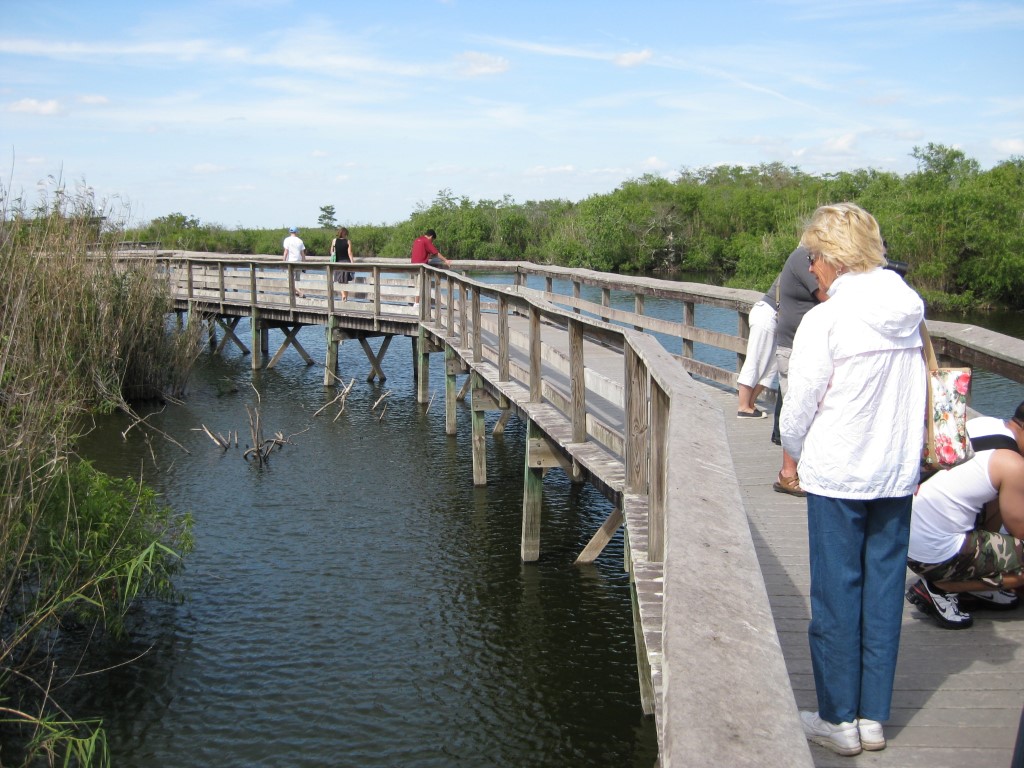
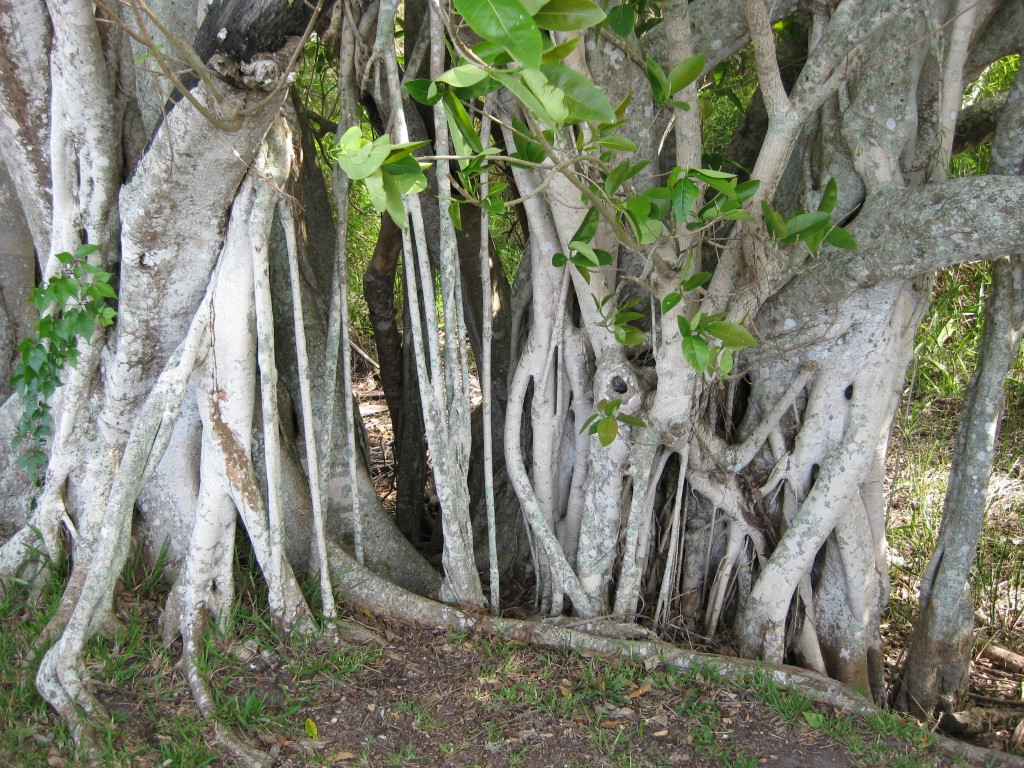
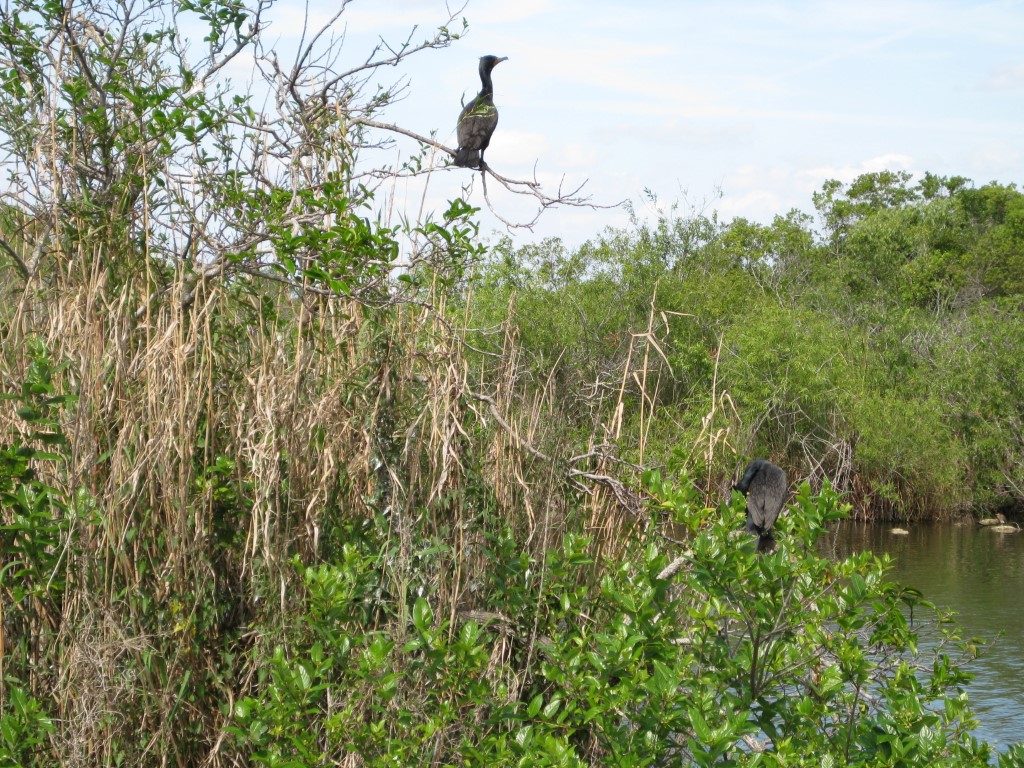
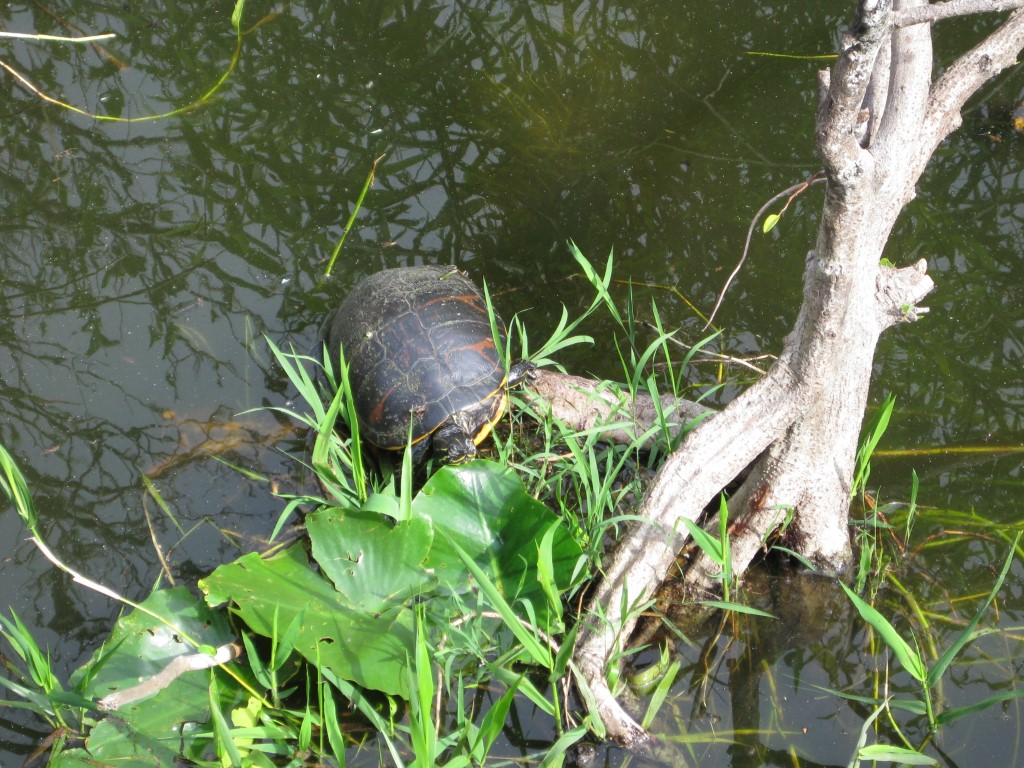
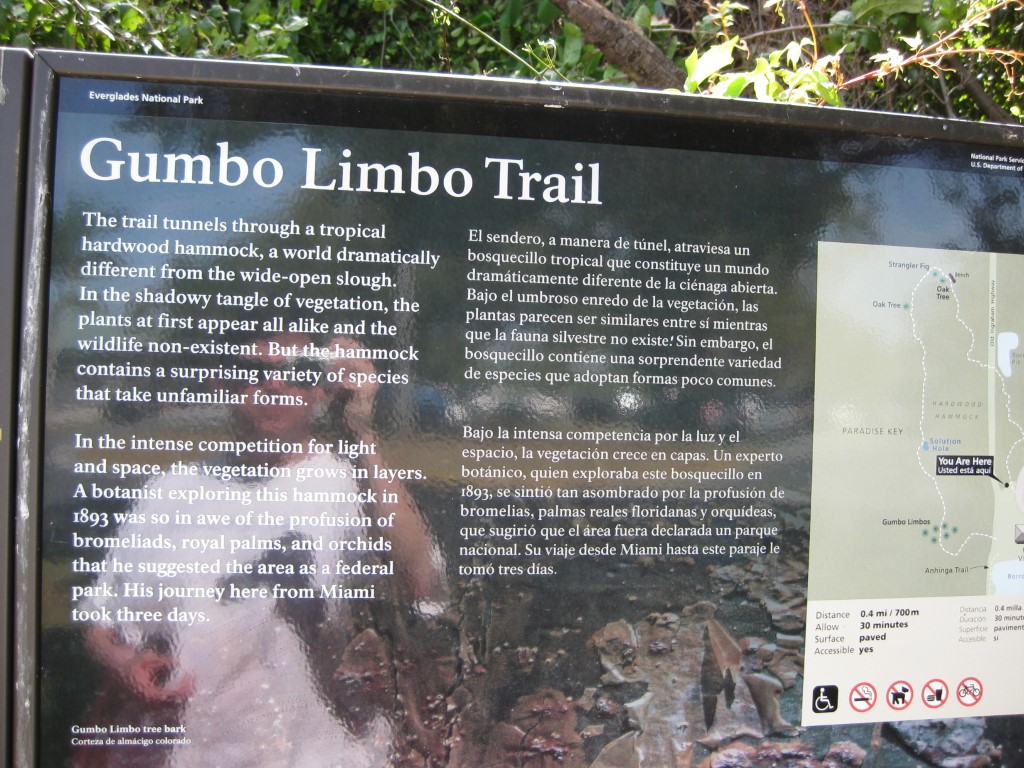
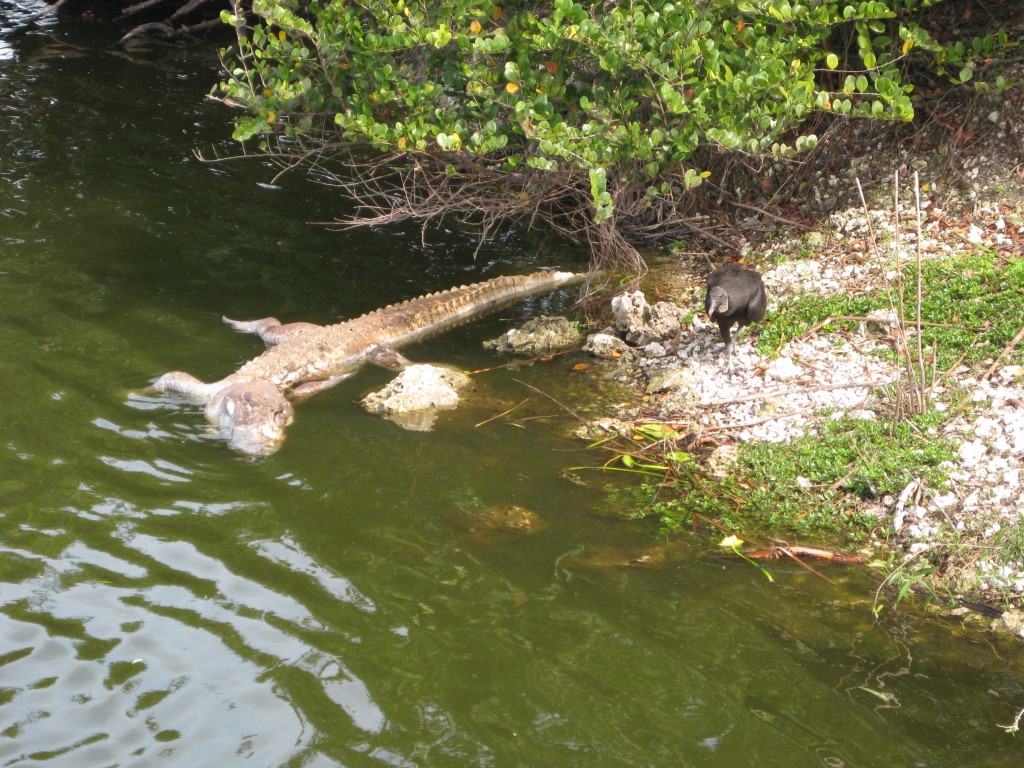
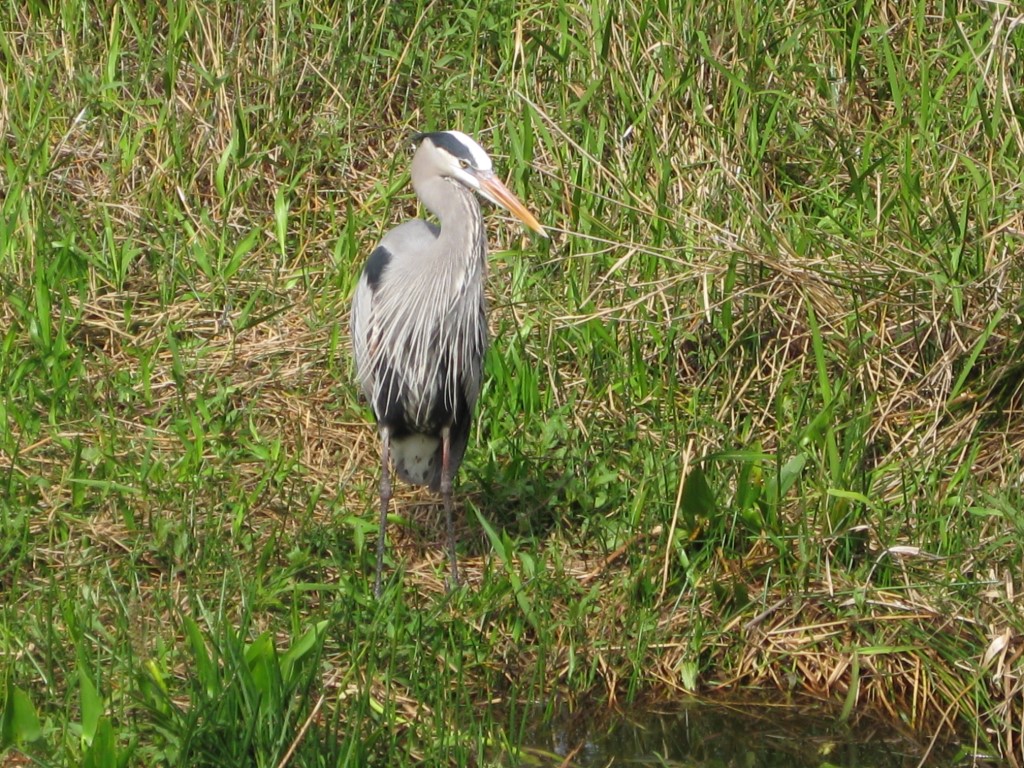
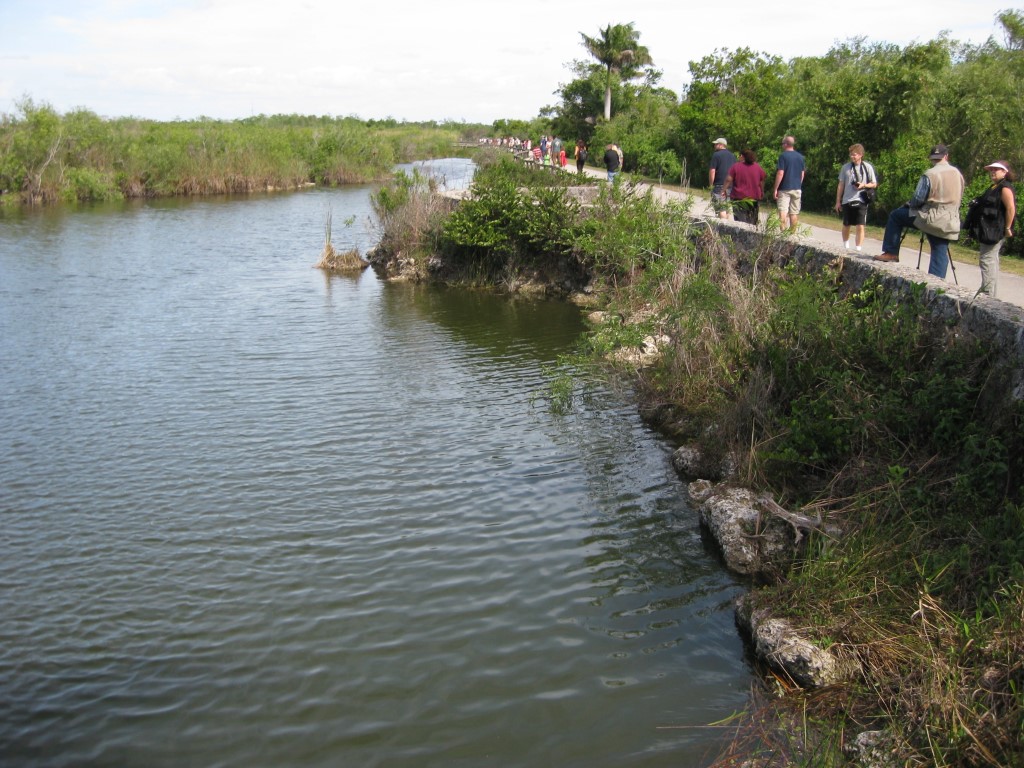
These short interpretive hikes begin near the Royal Palm Visitor Center, located in the northeastern section of Everglades National Park, and offer an accessible introduction to the park’s complex wetland environment. The Anhinga and Gumbo Limbo Trails are both less than a mile in length, yet they provide two distinctly different perspectives on the Everglades ecosystem. The Gumbo Limbo Trail passes through a dense tropical hardwood hammock, where a shaded canopy of gumbo limbo, strangler fig, royal palm, and mahogany trees creates a cool, enclosed environment. The paved pathway winds quietly through this forested habitat, offering a more subdued experience with limited open views but excellent opportunities to observe native plant life and the layered structure of the hammock ecosystem. In contrast, the Anhinga Trail follows an elevated boardwalk that loops through open freshwater marsh and sawgrass prairie, providing expansive views across shallow wetlands that are teeming with life. From this vantage point, visitors frequently encounter alligators basking along the banks, turtles sunning on logs, and wading birds such as herons, egrets, anhingas, and roseate spoonbills hunting in the shallow water. Because of its open design and abundant wildlife, the Anhinga Trail is often considered one of the best short walks in the Everglades for close-up observation of the park’s iconic species and wetland habitats.
- click for more photos from this hike in Everglades National Park: March 22, 2009 (password required)
- click for a trip report for this trail near Homestead, Florida: March 22, 2009 (password required)
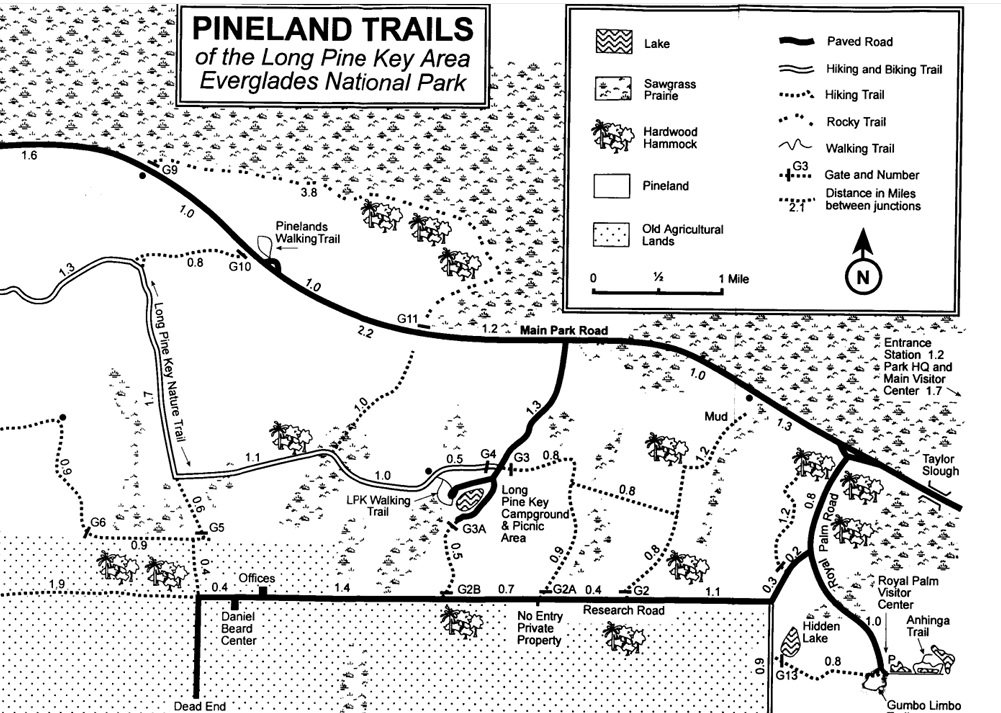
- click for a trail map of this hike on the Anhinga Trail from the Royal Palms Visitor’s Center
- click for a park map of the Everglades National Park
- click for another hike in the keys at Fort Zachary Taylor State Historic Park & Beach
- click for the guidebook The Hiking Trails of Florida’s National Forests, Parks, and Preserves for more hikes in Florida
- click for a hike on the 1500 mile long Florida Trail
- click for more hikes in the State of Florida